

Types of drills and its application
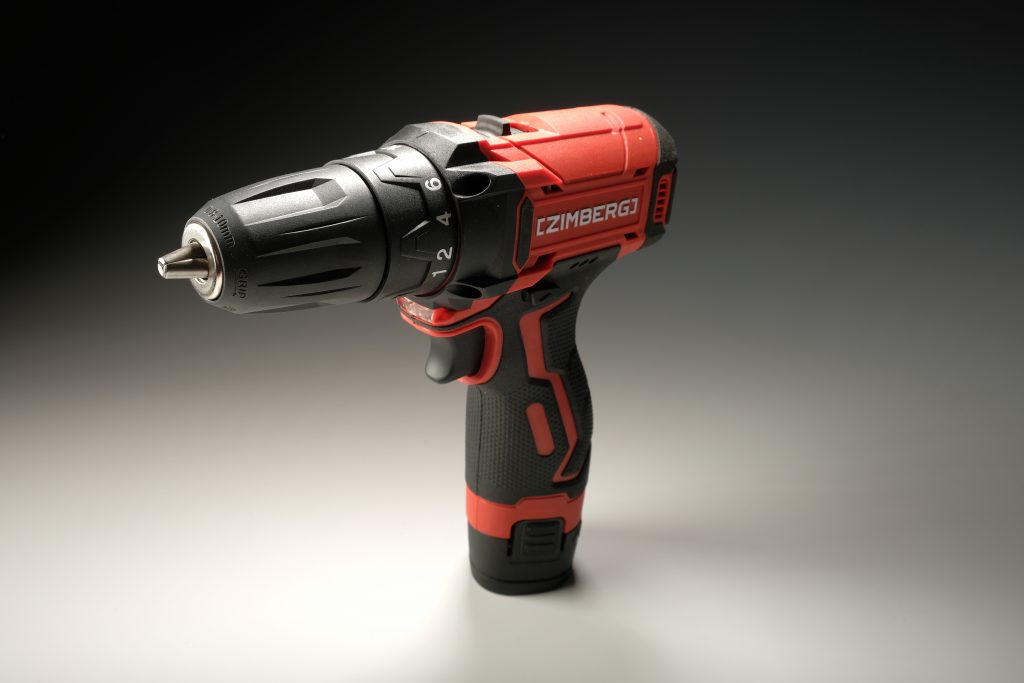
Simple drills
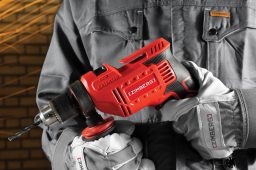
They are the most common and well-known type of drills. With the passage of time and the growth of technology in the world of tools, features such as the ability to adjust speed, change torque and change the direction of rotation were added to these drills. These types of drills can be used more for drilling metals, wood and plastics. The three systems used in these drills are mostly designed in two forms: wrench and automatic, and the type of drill used for these devices depends on the desired surface material. There is usually an example of this type of drill in most homes and small industrial units.
Hammer drills
This series of drills have the ability to hammer and knock while rotating. The mechanism of hammer drills is such that they make vertical blows to the surface when the drill rotates. Hammer drills are usually used for surfaces with greater hardness and thickness, such as building materials, and with the blows they inflict, they accelerate and facilitate the drilling process. The structure of these drills is the same as simple drills, except that this device can be placed on the impact drilling mode. The manufacturers of these drills generally consider the installation of an auxiliary handle on the front of the drill to give the user more control over the local device.
Concrete drills
This type of drill is used for drilling surfaces with hard materials such as concrete and cement. A notable feature of concrete drills in addition to the powerful motor is the special design of their three systems. As mentioned, the system has the task of holding the drill, so for drilling very hard surfaces, this part must have a special quality and include the drill properly. The concrete drill system is divided into two common types, four-groove and five-groove, known as SDSPLUS and SDSMAX. Semi-industrial concrete drills are four-groove and industrial and large concrete drills are five-groove.
Demolition hammer drills
The most powerful, largest and heaviest type of hand drills are these types of drills. Because this series of drills are used only for the destruction of structures and stones. The most important feature of destructive drills is their powerful motor and high torque. These drills generally use a pen instead of a drill for demolition.
Sample drill
They are a special type of drill that aims to make large holes and take samples of various industrial materials to be sent to foundry laboratories for testing. The technology used in the drilling system of this series of drills is different from other drills.
Column drills
These machines are used for drilling on various surfaces such as metals, stones, wood and crystals, with high precision. This high accuracy is achieved thanks to their limited range of motion, which is only vertical, and this feature prevents it from deviating around. This type of drills is commonly used in workshops and semi-industrial and industrial units.
?Which drill is right for my job now
Given the above and familiarity with the mechanism and types of drills, we now need to know which drill is suitable for the job we want to do. To do this, we must first know our expectations of this device and what we are going to use it for. If you only need a drill for household chores and want to complete your set of home tools, it is best to use a simple drill with normal power. But if you need a more efficient portable drill, such as drilling and unscrewing screws, you can choose cordless drills. Or if you are looking for a drill for industrial and workshop activities, it is better to buy a drill with higher power and strength that has the appropriate characteristics for your activity. For more help, call 90008009 so that our colleagues at the Zimberg Sales Unit can guide you.
Produced in the Zimberg content production unit

برای نوشتن دیدگاه باید وارد بشوید.